
World
New Probe Launched Into 'Sniper Safari' Allegations During Sarajevo Siege
Soledad Evangelista
10 Feb, 2026
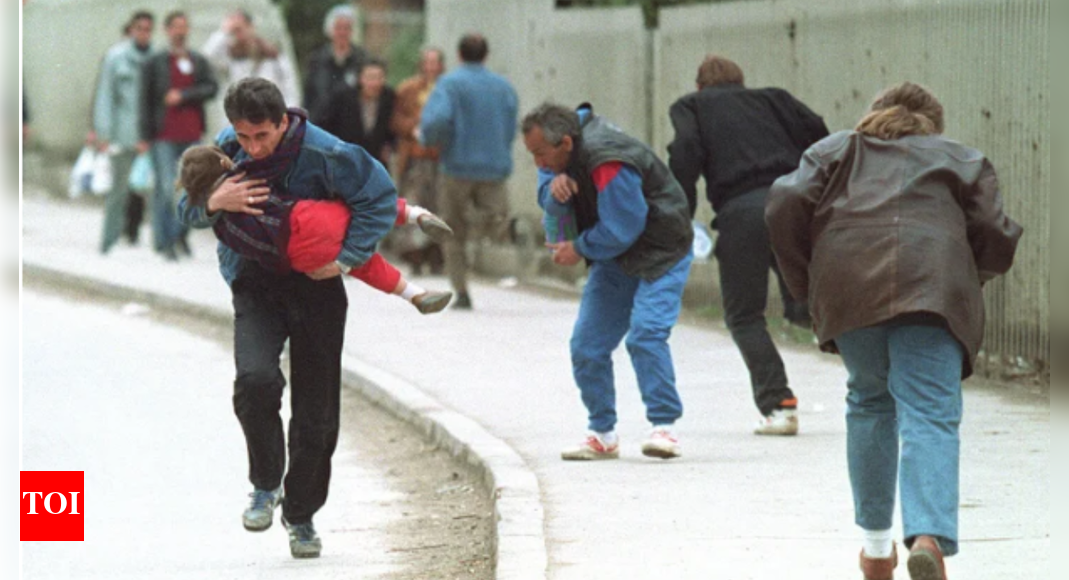
Italian investigators have recently initiated a fresh inquiry into longstanding allegations that foreign individuals paid to participate in "sniper safaris"—paid shootings of civilians—during the 1990s siege of Sarajevo. This announcement has brought renewed attention to the traumatic events of the nearly four-year blockade that devastated the Bosnian capital.
The Bosnian judiciary, which had begun examining these claims years earlier, continues to scrutinize the allegations, though few specifics about the current investigation have been released.
The Siege of Sarajevo began in April 1992 when Bosnian Serb forces encircled the city, marking the longest siege in modern European history. Over its 1,425 days, more than 11,500 civilians lost their lives, including hundreds of children, many due to sniper attacks from elevated positions surrounding the city. The International Criminal Tribunal for the former Yugoslavia (ICTY) described these sniper operations as a deliberate tactic intended to terrorize the civilian population, although no individual snipers were prosecuted, only their commanders.
The notion of a "sniper safari" was first publicized in 1995, during the siege. An article in the Sarajevo newspaper Oslobodjenje revealed disturbing reports, including claims that Serbian officers had offered foreign journalists, such as Italians, opportunities to shoot at civilians for sport. It also suggested that children were preferred targets. Despite prompt media exposure and intelligence sharing between Bosnian and Italian authorities, no criminal proceedings followed at that time.
Nearly three decades later, in 2022, Sarajevo's mayor Benjamina Karic was deeply affected after watching "Sarajevo Safari," a documentary by Slovenian filmmaker Miran Zupanic. The film renewed attention on the issue and prompted her to file a criminal complaint with Bosnian prosecutors and subsequently with Italian authorities. The documentary featured former Bosnian army intelligence officer Edin Subasic recounting wartime interrogations in which a captured Serb national alleged that affluent Italian hunters had paid Serbian forces to allow them to shoot at Bosnian Muslims.
Following these actions, Bosnian prosecutors launched a preliminary investigation, but no public updates have emerged since.
In August 2023, Karic submitted an updated complaint to Italian courts through their embassy in Sarajevo. Former judge Guido Salvini, assisting investigative journalist Ezio Gavazzeni, stated that extensive research has been conducted, including interviews with witnesses from both sides and gathering intelligence documents. Salvini emphasized the commitment of the investigative team to ensuring the allegations are thoroughly examined. Mayor Karic echoed this resolve on social media, declaring, "We are not giving up!"
The Milan prosecutor's office has not provided information concerning the current status of the case. Meanwhile, the investigation has reignited painful collective memories of one of the darkest chapters in Bosnia and Herzegovina's recent history.
Recommended For You
Authorities Arrest Two Drug Suspects, Seize P421,600 Worth of Illegal Drugs in Lanao del Sur
Feb 10, 2026
Hilario Ongpauco

Senate President Urges Police Escorts to Uphold Respect and Proper Conduct
Feb 10, 2026
Hilario Ongpauco

Ateneo Advances to UAAP Season 88 Men’s Table Tennis Finals
Feb 10, 2026
Lorenza Manguera

Subic Launches West Philippine Sea Mural to Promote Maritime Sovereignty
Feb 10, 2026
Soledad Evangelista