
Economy
First Gen Corp. Plans $652M Investment to Boost Hydropower Capacity by 213 MW
Gaudencio Roxas
10 Feb, 2026
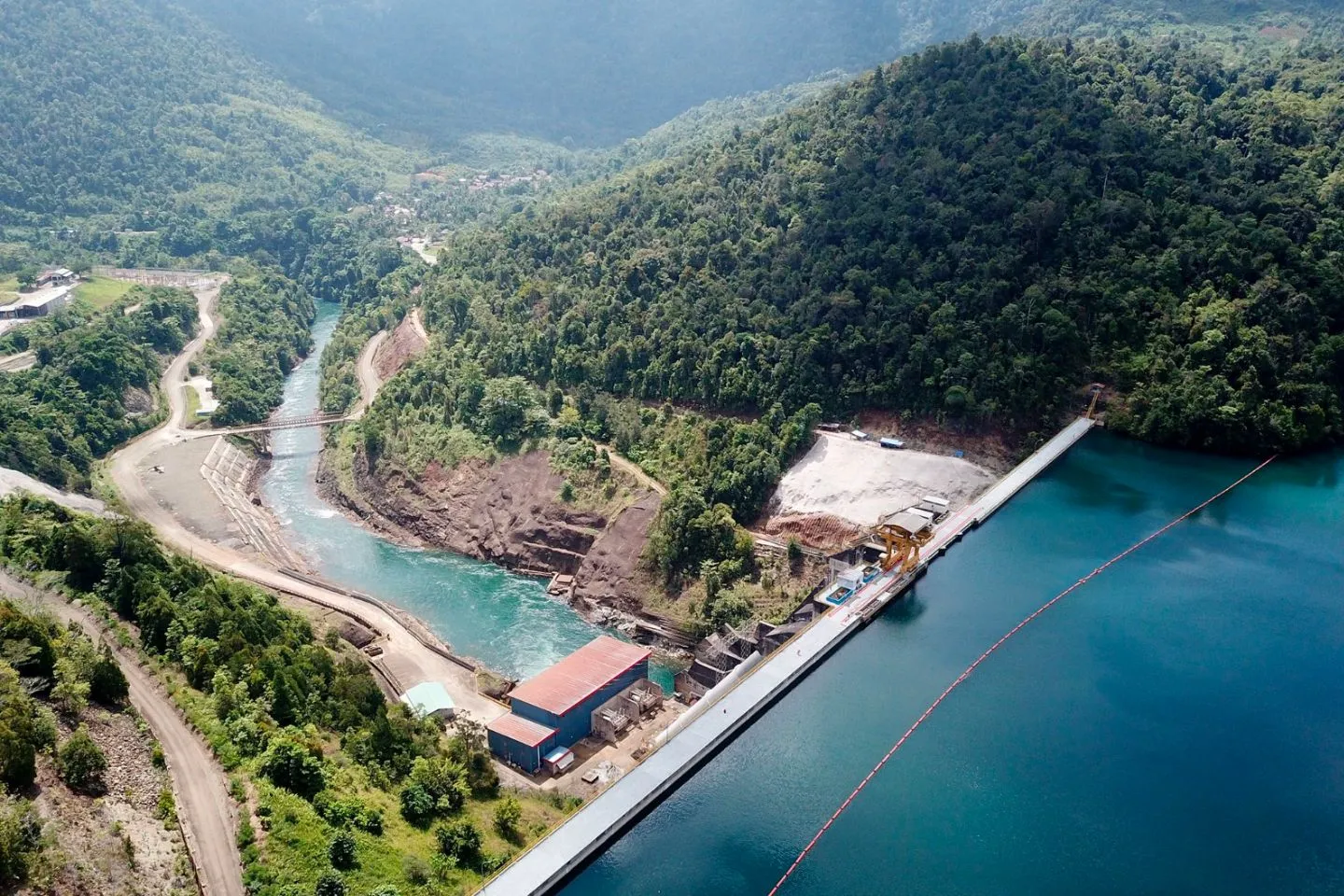
First Gen Corporation announced plans to expand its hydropower portfolio by adding approximately 213 megawatts (MW) through the development of four new power plants, which will require an estimated investment of $652 million. This expansion will significantly enhance its current hydropower capacity of 298.6 MW.
Speaking on the sidelines of the Third Philippine Hydro Summit and Exhibition held in Quezon City on November 19, First Gen senior vice president Dennis Gonzales highlighted the timeline for these projects. "Building hydropower plants typically takes at least three years, sometimes longer. It is unlikely that all projects will commence in 2026 as each has its own approval and development processes," he noted.
The four proposed plants include the 100-MW Aya in Nueva Ecija, 42-MW Puyo in Caraga, 32-MW Bubunawan in Bukidnon, and 39-MW San Isidro in Cagayan de Oro. Combined, these projects will add substantial renewable energy capacity to the company's portfolio.
Currently, First Gen operates an installed renewable energy capacity of 1,651 MW from 28 diverse facilities utilizing solar, wind, hydro, and geothermal sources. Additionally, it maintains 2,017 MW from four natural gas-fired power plants, managed in partnership with Prime Infrastructure Capital, bringing the total capacity to 3,668 MW.
For 2025, First Gen has earmarked $601 million in capital expenditure, with 90% allocated to the Energy Development Corporation for geothermal drilling and battery storage initiatives. The company has ambitious plans to expand its total energy capacity to 13,000 MW within five years, projecting an investment of up to $20 billion by 2030.
Agriculture Secretary Francisco Tiu Laurel Jr., attending the summit, expressed commitment to facilitate the permitting process for hydropower developers. He emphasized the Department of Agriculture's role, particularly through the National Irrigation Administration, in overseeing agricultural land and water resource management, which is crucial for hydroelectric projects.
"Hydropower has always been important to me due to its synergistic benefits with the agricultural sector," Tiu Laurel stated. "I assure stakeholders that my department will provide hands-on support to expedite project approvals."
He further remarked, "I look forward to transforming our rivers and estuaries into engines of both energy and rural prosperity. Hydropower can serve as a vital link between renewable energy advancement and resilient farming communities."
To minimize project conflicts, the Department of Agriculture is collaborating with the Department of Energy to coordinate infrastructure projects such as farm-to-market roads alongside hydropower developments, especially in remote regions.
Recommended For You

Home Depot Lowers Full-Year Outlook Amid Soft Home Improvement Demand
Feb 10, 2026
Gaudencio Roxas

Global Pharma Companies Escalate U.S. Investments Amid Potential Trump-Era Tariffs
Feb 10, 2026
Hilario Ongpauco

Authorities Arrest Two Drug Suspects, Seize P421,600 Worth of Illegal Drugs in Lanao del Sur
Feb 10, 2026
Hilario Ongpauco
Three Weather Systems to Cause Widespread Rain, Heavy Showers in Northern Luzon
Feb 10, 2026
Consolacion Javellana